Owning a home in Quebec means managing systems that must withstand some of North America’s most demanding climate conditions. From brutal winter temperatures that regularly plunge below -30°C to spring thaw cycles that test every pipe and foundation, your plumbing and heating infrastructure faces challenges that homeowners in milder regions rarely encounter. Understanding how to protect, maintain, and optimize these critical systems isn’t just about comfort—it’s about preventing costly emergencies and making informed decisions that protect your investment.
This comprehensive resource brings together the essential knowledge every Quebec homeowner needs, whether you’re protecting your primary residence against winter’s onslaught, leveraging smart technology to reduce your Hydro-Québec bills, responding to water damage, or planning major equipment replacements. Each topic connects to form a complete picture of responsible home system management in our unique climate.
Quebec’s winter climate demands proactive preparation. The cost of inaction can be severe: a single burst pipe can cause thousands of dollars in damage, displace families for weeks during repairs, and create insurance complications that follow you for years. Understanding where your home is vulnerable and how to protect it transforms winter from a source of anxiety into a manageable season.
Not all areas of your home face equal risk during cold snaps. Exterior walls, particularly those facing north or exposed to prevailing winds, create cold zones where pipes freeze most frequently. Unheated spaces like garages, crawl spaces, and rim joist areas where your foundation meets the wooden frame structure represent critical vulnerability points. Homes built before modern building codes were established often have insufficient insulation in these exact locations.
Cottage owners face additional challenges. Properties that sit empty for weeks between visits allow interior temperatures to drop dangerously low. Well systems and septic tanks add complexity that urban homeowners don’t encounter. A cottage inspection before the first hard freeze should include:
Insulating exposed plumbing goes beyond wrapping pipes in foam sleeves. While foam pipe insulation provides a basic barrier, areas subject to extreme cold require heat trace cable—electrical resistance wire that generates warmth along the pipe’s length. This active heating approach, combined with insulation overtop, creates redundant protection for pipes in unheated garages or along exterior walls.
The Régie du bâtiment du Québec establishes minimum insulation standards, but meeting code minimums and truly protecting your system are different goals. Consider that code minimums often assume heated spaces, not the reality of a crawl space that drops to -15°C during a cold snap when outdoor temperatures reach -35°C with wind chill.
Despite best efforts, freezing sometimes occurs. Recognizing the signs early—reduced water flow, frost on exposed pipes, strange sounds when taps open—allows intervention before pipes burst. The moment you suspect freezing, shut off the main water supply and open the affected faucet to relieve pressure as ice expands.
Thawing techniques range from safe to catastrophic. Use a hair dryer, heat lamp, or warm towels working from the faucet backward toward the frozen section. Never use open flames, propane torches, or other extreme heat sources that can damage pipes or create fire hazards. If the frozen section is inaccessible inside a wall cavity, calling a licensed plumber with specialized thawing equipment prevents turning a manageable situation into a demolition project.
Quebec’s prevalence of electric baseboard heating—a legacy of abundant Hydro-Québec hydroelectric power—creates both opportunities and challenges. While electricity is relatively affordable compared to many regions, heating costs still represent the largest energy expense for most households. Smart thermostats and automated systems offer compelling returns through optimized scheduling and remote management.
Unlike forced-air systems with a single central thermostat, homes with electric baseboards typically have individual thermostats in each room. Modern smart solutions designed for Quebec homes include line-voltage thermostats that replace these individual units, creating a networked system controllable from a smartphone app. Brands popular in the Quebec market have developed specific products compatible with the 240-volt systems our baseboards require.
Before purchasing smart thermostats, verify three critical specifications: voltage compatibility (120V vs 240V), maximum load capacity in watts, and whether your baseboard units are single-pole or double-pole. Installing the wrong specification creates safety hazards and voids product warranties.
Smart thermostats learn from your patterns, but they perform best when you understand how to guide their algorithms. Setting appropriate setback temperatures—how much the system reduces heat when you’re away or sleeping—balances comfort and savings. In Quebec’s climate, dropping temperatures by 3-4°C during eight-hour absences can reduce heating costs by 8-12% without risking frozen pipes or excessive recovery times.
Many homeowners make the mistake of aggressive setbacks that force their system to work harder playing catch-up. A baseboard heater running at full capacity for two hours recovering from a deep setback often consumes more electricity than maintaining a moderate reduction. Smart systems with learning algorithms find this optimal balance through trial and error, but you can accelerate the process by manually tuning your schedules during the first few weeks.
The true value of connected heating systems extends beyond convenience. Consumption reports reveal patterns invisible on a monthly Hydro-Québec bill: which rooms consume most energy, how outdoor temperature affects usage, and whether your home’s thermal envelope performs as expected. Anomalous consumption patterns often indicate problems—a sudden increase in basement heating might signal a humidity issue, while one room requiring significantly more heat than others suggests air leakage or insulation deficiencies.
Remote monitoring proves especially valuable for cottage owners and snowbirds who spend winters elsewhere. Temperature alerts notify you immediately if heating fails, allowing you to dispatch a neighbor or property manager before pipes freeze. This single feature has prevented countless insurance claims and saved homeowners from returning to catastrophic damage in spring.
Despite preventive measures, water damage events occur. A failed water heater, a burst pipe during an extended cold snap, or a sewer backup can quickly transform a home into a disaster zone. How you respond in the critical first 24-48 hours determines whether the situation remains a manageable inconvenience or escalates into a months-long reconstruction project with compounding costs.
The moment water damage occurs, stopping the source takes absolute priority. Locate and shut off the main water valve—every household member should know its location. For hot water tank failures, shut off both the water supply and power or gas to the unit. Take photographs and videos of everything before touching anything; insurance claims live or die based on documentation quality.
The Insurance Bureau of Canada reports that water damage now exceeds fire as the most common homeowner claim. Your insurance adjuster will want to see the cause of the failure, the extent of damage, and what emergency measures you took. Removing water without documenting how deep it was or which areas were affected can complicate claims significantly.
Standing water you can see represents only part of the problem. Water wicks into drywall, insulation, and subflooring where it remains invisible while feeding mold growth and structural degradation. Professional water damage restoration companies use thermal imaging cameras and moisture meters to identify saturated materials that look dry to the naked eye.
Industrial dehumidifiers and air movers create conditions where thorough drying occurs within 3-5 days, preventing mold establishment. Attempting to dry a basement with a household dehumidifier and fan often fails, creating a worse problem weeks later when mold appears and insurance companies question why professional remediation wasn’t performed immediately.
Your insurance deductible—typically $500 to $2,500 depending on your policy—represents your out-of-pocket cost before coverage begins. For damage just above your deductible, consider whether claiming is worth potential rate increases. Insurers track claim history, and multiple claims can affect your insurability for years.
The “build back better” principle means you’re not obligated to replace damaged materials with identical products. If you’re replacing 30-year-old plumbing fixtures damaged by a leak, modern water-efficient models represent a legitimate upgrade. Your insurance company covers the cost to restore function; upgrades beyond that standard typically require out-of-pocket investment, but coordinating upgrades during necessary repairs saves future labor costs.
Home mechanical systems don’t fail randomly—they follow predictable lifecycles. A water heater typically lasts 8-12 years, a furnace 15-20 years, and main drain lines 40-60 years depending on materials. Strategic planning transforms these inevitable replacements from financial emergencies into budgeted capital expenditures that you control.
Water heaters telegraph impending failure through warning signs: rust-colored water indicating internal tank corrosion, moisture around the base suggesting small leaks, or unusual sounds as sediment accumulation disrupts normal operation. Once a water heater reaches the 10-year mark, these symptoms warrant immediate replacement planning rather than hoping for a few more years.
Furnaces and heating systems display different warning patterns. Rising heating costs despite consistent usage, uneven heating between rooms, or increased cycling frequency all suggest declining efficiency. Modern high-efficiency furnaces often pay for themselves through energy savings within 8-12 years when replacing older standard-efficiency units, particularly given Hydro-Québec’s rate structure and Quebec’s long heating season.
Creating a capital expenditure (CAPEX) budget for your home’s mechanical systems prevents the panic of emergency replacements. A realistic planning approach tracks each system’s installation date and expected lifespan, then sets aside monthly amounts toward eventual replacement. For example, if you’ll need a $6,000 water heater replacement in approximately seven years, allocating $75 monthly creates a dedicated fund that removes financial stress when the time arrives.
This approach extends to less obvious systems. Main sewer drains in older Quebec homes often use clay tile or cast iron that deteriorates over decades. A sewer line camera inspection—typically $200-400—reveals condition before a catastrophic failure occurs, allowing you to plan a $8,000-15,000 replacement on your timeline rather than during an emergency when costs escalate and contractor choices narrow.
Technology evolution creates situations where replacement parts for older systems become unavailable. Fixture obsolescence affects everything from specialized shower valves to proprietary mixing cartridges. When repair parts cease production, a minor maintenance issue forces complete fixture replacement.
Forward-thinking replacement planning chooses widely-supported standard components rather than proprietary systems. A bathroom renovation using common fixture types with readily-available parts ensures that maintenance remains simple for decades. The premium faucet brand with unique cartridges available only through one distributor creates long-term vulnerability regardless of initial quality.
Quebec homeowners face unique challenges that demand specialized knowledge and proactive planning. From protecting your home against winter extremes to leveraging smart technology, responding effectively to water emergencies, and budgeting for inevitable equipment replacements, each area builds toward comprehensive home system stewardship. The investment in understanding these interconnected topics pays dividends through prevented emergencies, optimized costs, and the confidence that comes from being prepared rather than reactive.
The key to financial stability for your Quebec property is not simply saving for repairs, but transforming your plumbing system into a set of predictable, manageable assets. Most plumbing failures are not random; they are the predictable end of an…
Read more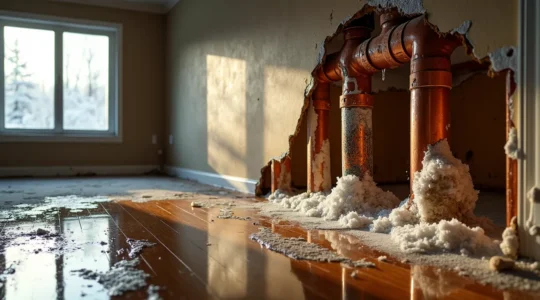
After a burst pipe, the biggest mistake is acting like a victim; you must become the manager of a forensic investigation to secure your compensation. Your insurer’s goal is to minimize their payout by finding evidence of your negligence. Your…
Read more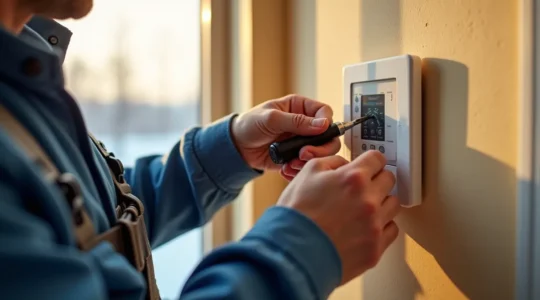
True Hilo mastery isn’t in the app’s settings—it’s in treating your home as a complete thermal ecosystem and gamifying your energy use. Understand and leverage Hilo’s pre-heating algorithm instead of fighting it for ultimate comfort and savings. Combine multi-zone heating…
Read more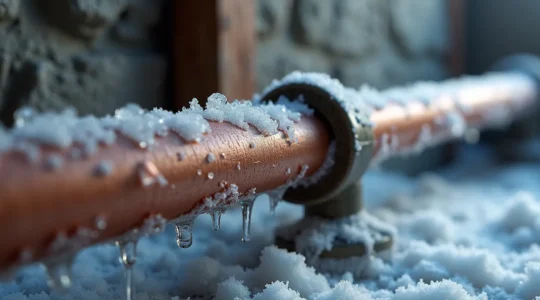
In summary: Identify and air-seal specific cold spots like rim joists, not just general insulation. Install a frost-proof outdoor faucet to prevent hidden leaks that cause spring floods. Use a targeted, step-by-step cottage winterization plan to avoid catastrophic damage. Never…
Read more